
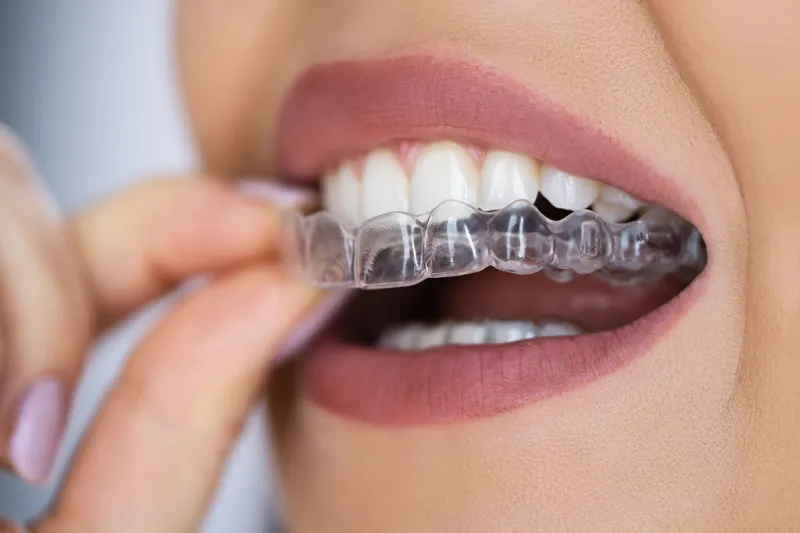
Oral health is one of the most critical factors for the overall well-being of the body. Every day, millions of people are faced with various orthodontic problems, seeking the optimal and most discreet solution for achieving a healthy and beautiful smile. Treatment with clear aligners has revolutionized the field of orthodontics, offering an aesthetically superior and comfortable alternative to traditional braces. However, one common question that concerns a large percentage of interested individuals is how this treatment affects—or is affected by—teeth grinding during sleep, a condition scientifically known as bruxism.
Teeth grinding during sleep is an involuntary oral habit that can cause significant wear of the tooth enamel, jaw pain, headaches, and even problems with the temporomandibular joint. When someone decides to begin orthodontic treatment, it is perfectly natural to wonder whether Invisalign aligners can withstand this intense pressure or, conversely, whether they can help address the problem.
What is teeth grinding during sleep and what are its consequences?
Teeth grinding during sleep is a parafunctional activity of the stomatognathic system that occurs mainly during the night, without the individual having conscious control over these movements. The jaw muscles contract with great force, causing the upper and lower teeth to grind against each other. The intensity of these forces may be many times greater than those exerted during chewing, which explains the severity of the symptoms.
The causes that trigger teeth grinding during sleep are multifactorial. High levels of daily anxiety, stress, emotional pressure, as well as certain sleep disorders, are among the main intrinsic factors. In addition, anatomical problems such as malocclusion (when the teeth do not fit together properly) can lead the brain to signal continuous jaw movement in an attempt to find a stable position.
The long-term consequences of teeth grinding during sleep include:
- Significant tooth wear: The teeth lose their natural shape, become worn down, and become more sensitive to temperature changes.
- Fractures and cracks: Continuous pressure may break fillings, crowns, or even healthy teeth.
- Muscle pain and headaches: Patients often wake up with a feeling of heaviness or pain in the temples and facial muscles.
- Temporomandibular joint disorders: Clicking sounds when opening the mouth, difficulty chewing, or even temporary jaw locking may occur.
How does the Invisalign system work?
The Invisalign system uses a series of customized, clear aligners made from an advanced, high-strength medical-grade thermoplastic material. Each aligner is designed to apply gentle and controlled forces to specific teeth, gradually moving them into their desired final position.
Patients are required to wear their aligners for at least 20 to 22 hours per day, removing them only while eating and brushing their teeth. The precise and secure fit of the aligners over the teeth allows highly accurate orthodontic tooth movement while providing exceptional comfort compared to traditional metal braces.
Because the aligners completely cover the chewing surfaces of all teeth, they automatically create a protective layer. This characteristic is the key to understanding how the treatment interacts with teeth grinding during sleep, since the presence of the material between the dental arches changes the dynamics of nighttime grinding.
Might interest you: The oral hygiene with metal braces
The interaction between Invisalign and teeth grinding during sleep
When a patient who suffers from teeth grinding during sleep begins Invisalign treatment, the clear aligners essentially act as a temporary protective barrier. During the night, when teeth grinding during sleep occurs, the upper and lower aligners come into contact with each other instead of the natural tooth surfaces. In this way, the enamel is fully protected from mechanical wear and damage.
However, an important question arises: can the aligners withstand the continuous pressure caused by teeth grinding during sleep? The material used to manufacture the aligners is highly durable and designed to withstand the everyday forces present in the mouth. Nevertheless, in cases where teeth grinding during sleep is particularly severe, faster wear or even small cracks in the aligners may occur.
The positive aspect of Invisalign orthodontic treatment is that patients replace their aligners at regular intervals (usually every one week). This frequent replacement ensures that even if an aligner experiences slight wear due to teeth grinding during sleep, it will soon be replaced by the next one in the series, without compromising the progress of the treatment or the safety of the teeth.
Can Invisalign improve or worsen the problem?
The relationship between orthodontic tooth movement and bruxism is bidirectional. In many cases, teeth grinding during sleep is caused, as previously mentioned, by an improper bite. When the teeth are not properly aligned, the nervous system subconsciously attempts to eliminate the interference, leading to nighttime grinding. As Invisalign corrects tooth position and restores proper occlusion, the body’s need for teeth grinding during sleep may gradually decrease or even disappear completely once treatment is completed.
On the other hand, during the first few days of wearing each new aligner, there may be a temporary increase in the tendency for teeth grinding during sleep. This occurs because the mouth perceives the aligner as a foreign object, causing the jaw muscles to react reflexively. This response is completely normal and usually subsides within a few days as the patient becomes accustomed to the new sensation of the aligners.
It is therefore clear that Invisalign not only does not worsen teeth grinding during sleep in the long term, but for a large percentage of patients it also has a therapeutic effect by addressing the anatomical root of the problem through proper alignment of the teeth and jaws.
Tips for managing bruxism during treatment
To achieve the best possible outcome and minimize discomfort, patients who experience teeth grinding during sleep while undergoing Invisalign treatment can follow several practical recommendations:
- Regular inspection of the aligners: It is important to examine the aligners every morning for visible cracks or significant signs of wear caused by teeth grinding during sleep, so that the orthodontist can be informed promptly if early replacement is required.
- Relaxing the jaw muscles: Applying warm compresses to the face and jaw area before bedtime helps reduce tension in the chewing muscles.
- Managing daily stress: Practicing relaxation techniques such as deep breathing exercises, reading, or meditation before going to sleep helps reduce the psychological factors that intensify teeth grinding during sleep.
- Consistent wear: Following the recommended wear schedule throughout the day ensures that the teeth remain continuously protected from nighttime pressure.
Consistently applying these measures helps reduce the intensity of teeth grinding during sleep, facilitates the smooth progress of orthodontic treatment, and enhances the patient’s overall comfort.
The importance of maintaining the results after Invisalign
After the successful completion of Invisalign treatment, the process does not end. Teeth naturally tend to shift back toward their original positions, which is why the use of retainers is essential. For patients who suffer from teeth grinding during sleep, the retention phase is even more critical.
Retainers help preserve the new position of the teeth while continuing to provide a level of protection against the forces generated by nighttime grinding. Depending on the severity of the bruxism, your orthodontist may recommend a customized retention protocol or, in certain cases, an alternative protective appliance specifically designed to withstand stronger biting forces.
Regular follow-up appointments are also essential after the completion of treatment. During these visits, the orthodontist can evaluate the condition of the retainers, monitor any signs of wear caused by teeth grinding during sleep, and ensure that the treatment results remain stable over time.
Patients should also continue maintaining excellent oral hygiene habits and carefully follow all post-treatment instructions. Consistent retainer wear, proper cleaning of the appliances, and routine dental examinations all contribute to preserving both the alignment of the teeth and the long-term health of the oral cavity.
Although Invisalign aligners can offer protection during active orthodontic treatment, they are not specifically designed as permanent night guards for severe bruxism. Therefore, if significant teeth grinding during sleep persists after treatment has been completed, additional management strategies may be necessary based on the patient’s individual needs.
The combination of appropriate orthodontic treatment, careful monitoring, and long-term retention offers the best opportunity to achieve a healthy bite, a beautiful smile, and long-lasting treatment results, even in patients affected by teeth grinding during sleep.