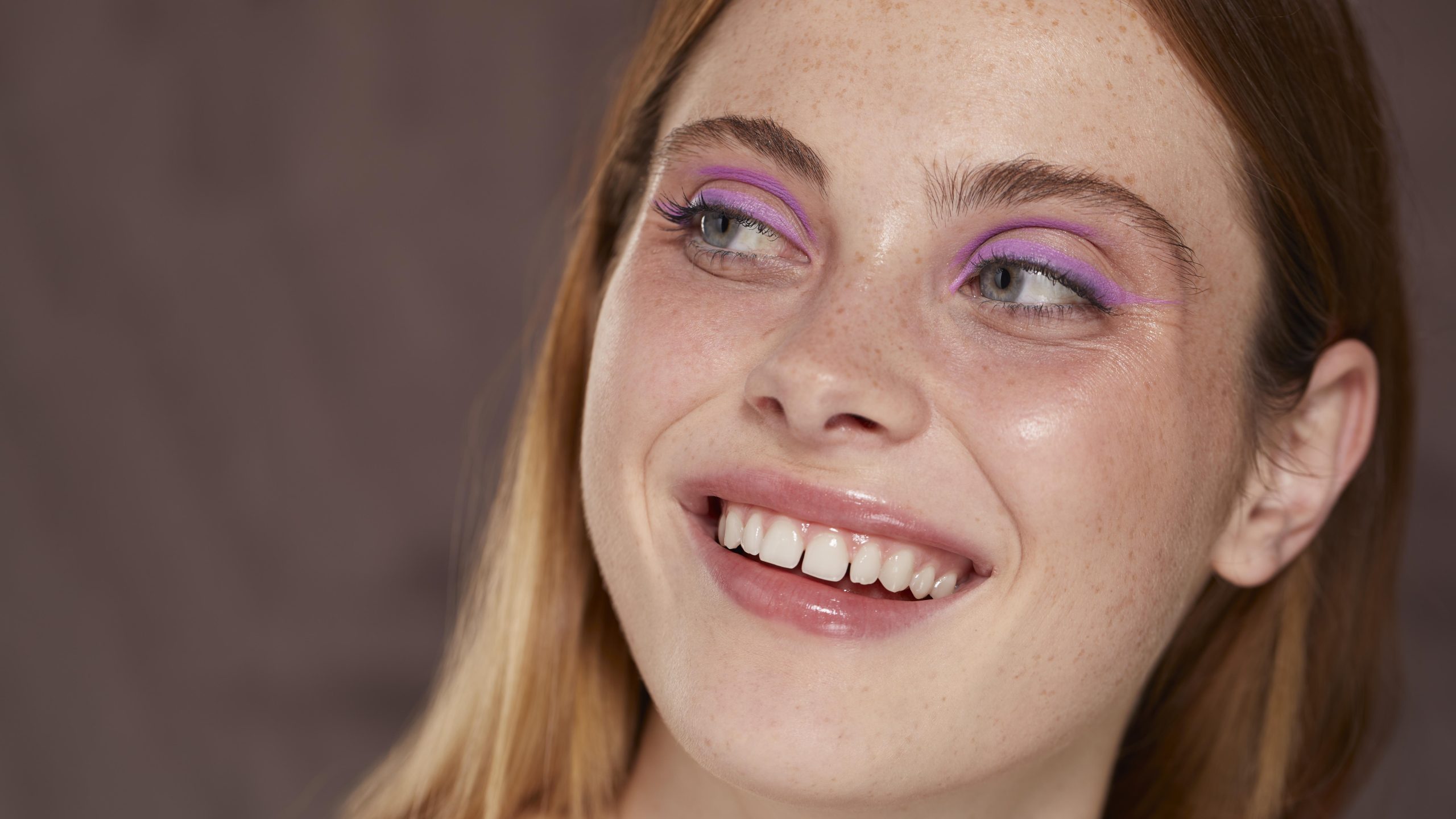
A smile is one of the first things people notice in a social or professional interaction. However, small or more pronounced imperfections in the alignment of the teeth can often lead to insecurity and self-consciousness. One of the most common bite irregularities affecting children, teenagers and adults is spacing between teeth. This condition is characterised by visible gaps between the teeth, either in isolated areas or throughout the dental arch.
In the past, traditional metal braces were the only option for closing these gaps. Many adults avoided them because of their appearance and the restrictions they could impose on daily life. Today, modern orthodontics offers a discreet, comfortable and predictable way to treat spacing with clear aligners. This technology has transformed the way orthodontic treatment is planned and carried out, delivering an excellent aesthetic and functional result without disrupting everyday life.
What is spacing between the teeth, and what causes it?
Spacing refers to gaps between two or more teeth that do not make normal contact. In orthodontics, the gap between the two upper front teeth is often referred to as a diastema and is the most common form of spacing between teeth. However, gaps can occur throughout the dental arch, in both the upper and lower jaws.
Several factors can contribute to these gaps, often in combination:
- A mismatch between tooth and jaw size: If the teeth are small in relation to the width of the jaw, excess space may remain, resulting in generalised spacing between teeth.
- An enlarged upper lip frenulum: The frenulum is the tissue connecting the inside of the upper lip to the gums. If it attaches too low and extends between the two upper central incisors, it can prevent them from coming together naturally.
- Congenitally missing teeth (agenesis or hypodontia): Some permanent teeth, such as the lateral incisors or premolars, may never develop. This can leave larger gaps into which neighbouring teeth may shift.
- Childhood habits: Prolonged thumb-sucking, extended pacifier use, or pushing the front teeth forward with the tongue when swallowing can apply ongoing pressure that separates the teeth.
- Periodontal disease in adults: Chronic periodontitis gradually damages the bone that supports the teeth. As this support weakens, the teeth can become less stable and begin to drift forward or sideways, causing spacing later in life.
Why spacing between teeth is more than a cosmetic concern
Many people view gaps between the teeth as a purely cosmetic feature of their smile. In reality, they can also lead to functional problems that affect oral health and may worsen over time.
Food particles can become trapped in the gaps. During chewing, food may be pushed between the teeth and irritate the gums. Persistent food trapping can encourage plaque build-up, leading to gingivitis, bleeding and, in some cases, localised periodontitis with bone loss.
When spacing affects the front teeth, it may also make it harder to pronounce certain sounds, as air can escape through the gaps. More widespread spacing between teeth can affect the bite: the teeth may not meet evenly, resulting in an unequal distribution of chewing forces. This imbalance can put strain on the temporomandibular joint and may contribute to chronic muscle pain, headaches and clicking sounds when opening the mouth. Timely treatment can therefore help protect the entire oral and jaw system.
How clear aligners treat spacing between teeth
Clear aligners are among the most advanced applications of biomedical technology in dentistry. They are a series of thin, transparent, removable trays made from durable and flexible medical-grade thermoplastic. Each tray is custom-fitted to the teeth.
Treatment works by applying gentle, controlled and continuous pressure. Each aligner is digitally designed to move the teeth a fraction of a millimetre in the desired direction. Patients typically wear each set for around 7 to 14 days, depending on their treatment plan, before moving on to the next set.
To close gaps precisely, the orthodontist may place small, tooth-coloured composite resin attachments on selected teeth. These attachments act as grips for the aligners, helping move not only the visible part of the tooth but also its root within the bone. This allows the gaps to close gradually and evenly, bringing the teeth into proper contact without creating unwanted tilting.
The treatment process, step by step
Treatment with clear aligners follows a digital, carefully planned process designed to provide comfort and predictability:
- Initial examination and digital scan: The orthodontist assesses the overall condition of the mouth, gums and supporting bone. A modern intraoral scanner then creates a precise 3D record of the teeth, replacing traditional impression trays and paste.
- Digital treatment planning: Using specialised software, the orthodontist plans the movement of the teeth step by step. Before treatment begins, the patient can view a simulation showing how the gaps are expected to close and what the final result may look like.
- Fabrication of custom aligners: Once the plan is finalised, the digital files are sent to the laboratory, where the full series of aligners is produced using 3D printing and robotic forming technology.
- Fitting and daily wear: The patient receives the first aligners and detailed instructions. For treatment to work effectively, the aligners should be worn for 20 to 22 hours a day and removed only for meals and brushing.
- Regular progress checks: Appointments with the orthodontist are usually scheduled every 6 to 8 weeks to monitor progress and provide the next sets of aligners.
- Retention: Once the gaps have closed, treatment moves to the important retention phase. The gums and surrounding tissues need time to stabilise. Clear night-time retainers or a thin fixed wire bonded to the inner surfaces of the teeth may be used to help prevent relapse and keep the gaps from reopening.
Advantages of clear aligners over traditional methods
Choosing aligners to correct spacing offers several benefits compared with traditional metal or ceramic braces:
- Discreet appearance: Aligners are almost invisible. Even at close range, it may be difficult to tell that someone is undergoing orthodontic treatment—a key benefit for many adults and professionals.
- No food restrictions: Since aligners are removed before meals, there are no restrictions on hard or sticky foods, and no risk of a bracket coming loose.
- Easier oral hygiene: Brushing and flossing can be done without obstruction. This is particularly helpful when the gums are already more vulnerable to plaque build-up and inflammation.
- Comfortable wear: The smooth medical-grade plastic is less likely to irritate the lips, tongue or cheeks, helping avoid the sores and irritation often caused by wires.
- Fewer appointments and potentially faster results: In many cases, targeted digital forces may close gaps faster than traditional braces and require fewer visits to the dental chair.
Frequently asked questions
- How long does it take to close the gaps?
Treatment time depends on the extent of the spacing. In mild cases involving one small gap between the front teeth, results may be achieved in 4 to 6 months. More complex cases involving multiple gaps or other bite irregularities generally take around 9 to 18 months.
- Are clear aligners painful?
Treatment is not typically painful. For the first day or two after switching to a new aligner, patients may feel mild pressure on their teeth. This is normal and indicates that the aligners are applying the forces needed to move the teeth.
- Can spacing be treated at any age?
Yes. Tooth movement relies on the natural response of the bone and periodontal fibres. This process can take place in teenagers and adults of any age, provided the gums and supporting bone are healthy.
Successful treatment requires specialist expertise, experience and detailed digital planning tailored to each patient. Dr Angeliki Nikolopoulou, an orthodontist in Chalandri and Koropi, has extensive scientific training and years of experience in modern orthodontic treatment for children and adults using certified clear aligners.
Using advanced digital technology and fully personalised treatment protocols, she aims to correct concerns such as spacing between teeth with precision, safety and strong functional outcomes—helping each patient achieve a healthy, harmonious, radiant smile with confidence.